Description
Game Introduction
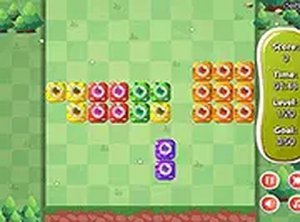
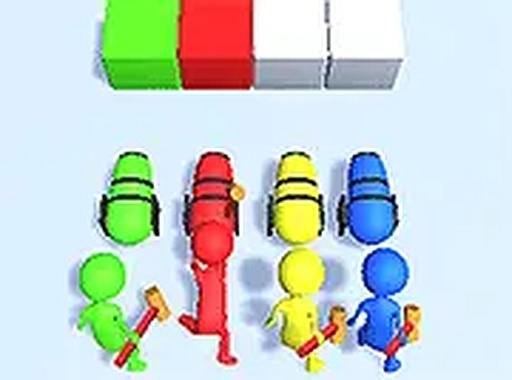
Color Match Puzzle Arcade is an engaging online puzzle game that challenges your ability to match colors with precision. The core objective is simple: you are presented with a target pattern made up of different colors, and you must shoot colored balls to recreate that pattern. Each level introduces a new arrangement, requiring you to think carefully about the order and placement of each shot. The game combines the fast-paced feel of arcade action with the deliberate planning of a puzzle, making it a unique and satisfying experience. It is designed to be accessible to players of all ages, offering a clean and focused gameplay loop that emphasizes logical thinking and careful observation.
How to Play
Players use their mouse or keyboard to aim a shooter at the target area. Clicking or pressing a key launches a colored ball toward the target. The goal is to match the pattern shown on the screen by placing the correct colors in the correct positions. Each level has a specific pattern that must be replicated. Players need to plan their moves carefully because each shot uses a ball from a limited supply. If the supply runs out or a mistake is made, the level may need to be restarted. The game provides feedback on progress, showing which parts of the pattern are complete. Taking time to aim accurately and adjusting strategy as needed is key to success.
Game Features
Color matching puzzles that require logical thinking. Arcade-style gameplay with smooth controls. Full screen mode for better immersion. Free to play online with no download required. Suitable for all ages. Desktop optimized for mouse and keyboard. With 50 levels to complete, there is plenty of content to keep you entertained.
Tips for Success
Plan your shots carefully before firing to avoid wasting balls. Observe the target pattern and decide the best order to place colors. Practice aiming to improve your accuracy over time. If you get stuck, take a break and return with a fresh perspective. Use the full screen mode to minimize distractions. Learn from mistakes by noting which strategies work best for each pattern.